
Reviewed · ALBAICIN & SACROMONTE TOURS
Granada: Albaicín and Sacromonte Walking Tour
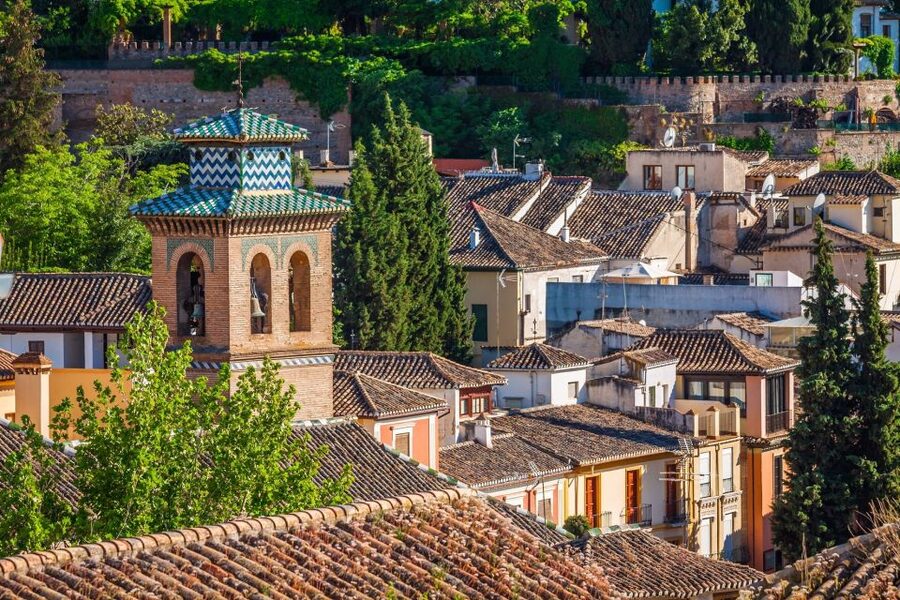
Granada’s oldest quarters are best understood from the hills above the city, where Moorish alleys, white houses, and cave homes reveal a past that is hard to spot from a city-center stroll. This tour links the Albaicín and Sacromonte, then finishes along the Darro River, giving you both high viewpoints and street-level atmosphere.
I like the way the walk explains how Islamic and Gypsy cultures shaped Granada, rather than treating the neighborhoods as pretty scenery alone. I also like the value: at $18, you get an official guide, several famous viewpoints, and a useful introduction before exploring on your own. The catch is clear: steep hills, stairs, and uneven paving make this a poor choice if you have mobility problems.
In This Review
- Key points to know before you book
- Why this Granada walk makes sense
- Starting at Plaza Isabel la Católica
- Plaza Nueva and the first climb
- Albaicín’s lanes, balconies, and old water systems
- Plaza de San Nicolás and the Alhambra view
- Puerta de las Pesas and Plaza Larga
- Sacromonte’s cave homes and flamenco identity
- Cuesta del Chapiz and the route downhill
- Paseo de los Tristes and Carrera del Darro
- How difficult is the walking?
- Guide quality and group atmosphere
- Is $18 good value?
- Who should book this walk?
- Should you book the Albaicín and Sacromonte tour?
- FAQ
- Where does the tour begin?
- How long does the walking tour last?
- Which languages are available?
- Does the tour include transportation?
- Is the route suitable for wheelchair users?
- What should I bring?
Key points to know before you book
- Plaza de San Nicolás delivers the main view: You get one of Granada’s finest angles toward the Alhambra, especially when the light softens near sunset.
- The route connects two very different quarters: Albaicín reflects Granada’s Moorish past, while Sacromonte is tied to cave homes and flamenco culture.
- The walk is uphill before it gets easier: Rest stops help, but comfortable shoes are essential and wet paving can be slippery.
- Small groups can make the history more useful: Several guides, including Maria, Carmen, Francesco, and Chema, have been praised for answering questions and adjusting the pace.
- It is a good orientation walk: You finish with practical ideas for restaurants, flamenco shows, and places worth returning to alone.
- The tour runs in one selected language: Choose English, French, or Spanish when booking, and bring water, sun protection, and no large luggage.
Why this Granada walk makes sense
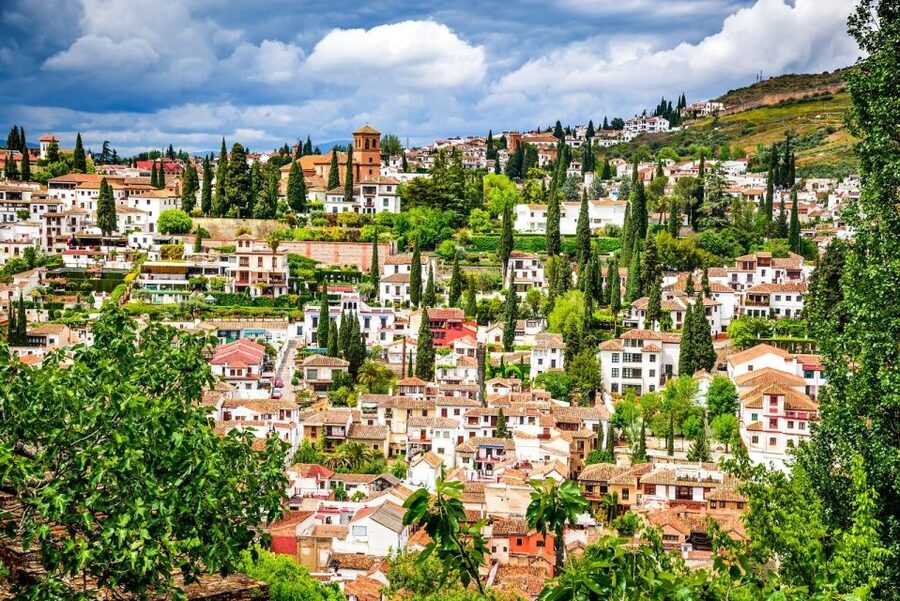
The Albaicín and Sacromonte are not easy neighborhoods to read from a map. Their lanes twist, climb, narrow, and occasionally open onto a sudden view. You can wander here alone, but it is easy to miss a gate, overlook a wall, or walk past a site without understanding why it matters.
A guide gives the streets a timeline. You hear about the last Muslim kingdom on the Iberian Peninsula, the dynasties that ruled Granada, and the changes that followed the Christian conquest. Walls, gates, old palaces, and former mosques become part of a connected story instead of isolated sights.
The route also addresses two cultures that are often reduced to tourist labels. In the Albaicín, you learn about the Islamic foundations of Granada. In Sacromonte, the guide explains why Gypsy communities settled in caves and how the quarter became associated with flamenco.
I like this mix of history and daily life. The tour is not just a hill climb toward a photo stop. It helps you understand why these neighborhoods look the way they do and why Granada feels different from other Andalusian cities.
At two to two and a half hours, the timing is long enough to cover both districts without taking up your whole day. You can use it early in your stay to get your bearings, then return to the lanes, viewpoints, or flamenco venues that caught your attention.
More walks through the Albaicin and Sacromonte:
- Granada: Albaicín and Sacromonte Guided Sunset Walking Tour
★ 4.9 · 2,962 reviews - Sacromonte: Flamenco Show at Cuevas Los Tarantos Tickets
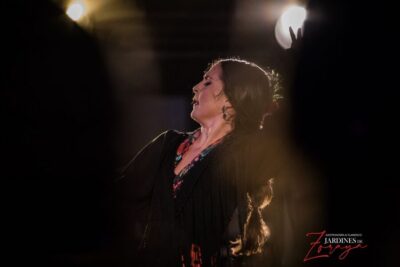
★ 4.5 · 2,051 reviews - Granada: Flamenco Show in Albaycin – Jardines de Zoraya
★ 4.7 · 1,234 reviews
Starting at Plaza Isabel la Católica
The meeting point is behind the Monument of the Capitulations in Plaza Isabel la Católica, in central Granada. This is a practical starting place because it is easy to locate and puts you close to the route toward Plaza Nueva.
Your guide begins with an introduction to Granada and the historical setting of the walk. The opening stop at Plaza Isabel la Católica is brief, about 10 minutes, so do not expect a long lecture before moving on.
From here, the walk heads toward Plaza Nueva. The route is already doing useful work: you leave the modern center and approach the older quarters on foot. The transition helps you see how quickly Granada changes from broad urban streets to lanes shaped by centuries of Moorish planning.
Plaza Nueva and the first climb
Plaza Nueva is not a traditional square in the sense of a quiet enclosed plaza. It is a central meeting point and a useful gateway to the Albaicín, the Alhambra approaches, and the Carrera del Darro.
The guide uses this section to place Granada’s districts in context. You may spend about 20 minutes walking and listening here, with the route beginning to tilt upward as it enters the older quarter.
This is where you should settle into the pace. Do not charge ahead at the beginning, especially in hot weather. The full route includes regular pauses, but the hills are still real work. Sunglasses, a hat, sunscreen, and water are not decorative extras in Granada’s strong sun.
Albaicín’s lanes, balconies, and old water systems
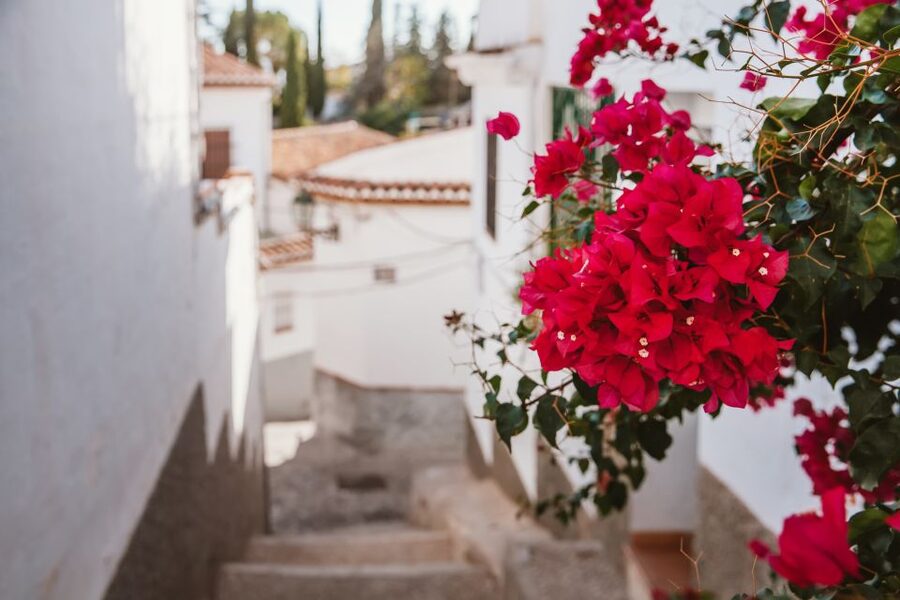
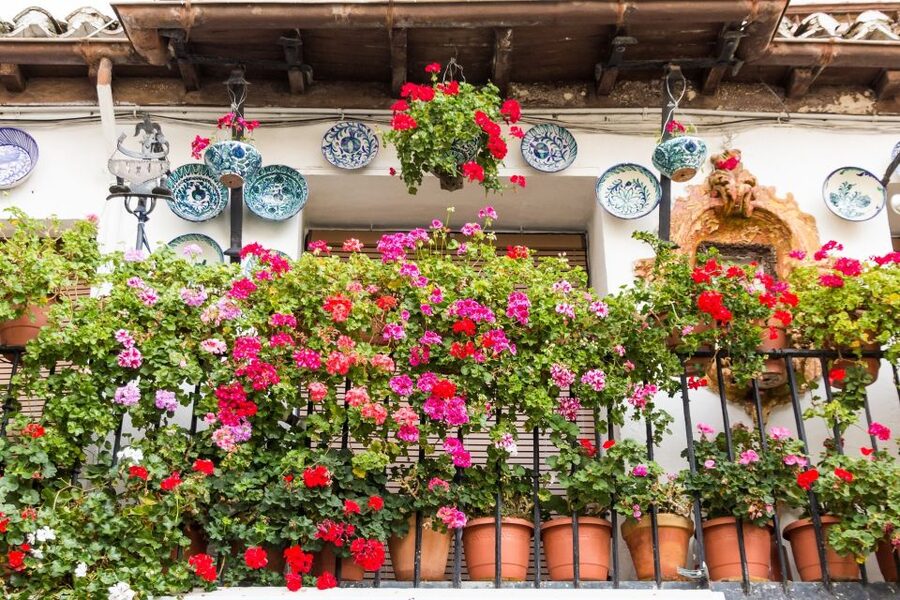
The Albaicín is the part of the tour most people picture before arriving: narrow lanes, whitewashed walls, flowered balconies, and small corners that seem to have survived outside the modern city.
At Callejón del Aljibe de Trillo, the guide points out details connected with Granada’s old water supply and neighborhood design. The name itself refers to an aljibe, or cistern, a reminder that water management was central to life in the hill quarter.
The short stop at Placeta Comino gives you another chance to see how the streets fit together. These are not grand monuments with obvious entrances. Their value comes from the pattern of the quarter: compact lanes, enclosed homes, steep passages, and glimpses through gaps between buildings.
I find this part most useful with a guide because the Albaicín can feel like a maze. You may enjoy getting lost later, but an introduction first helps you do so with some confidence. One guide, Maria, was especially praised for showing historic spots that were easy to overlook and for pausing so the group could drink, take photos, and catch its breath.
More guided walks on foot:
- Guided Walking Tour of the Alhambra in Granada
★ 4.0 · 863 reviews - Granada: Albaicín and Sacromonte 2.5-Hour Walking Tour
★ 4.7 · 777 reviews - Granada’s Hidden Treasures: Albayzin and Sacromonte Walking Tour
★ 4.5 · 575 reviews - Granada: Walking Food Tour
★ 4.8 · 460 reviews
Plaza de San Nicolás and the Alhambra view
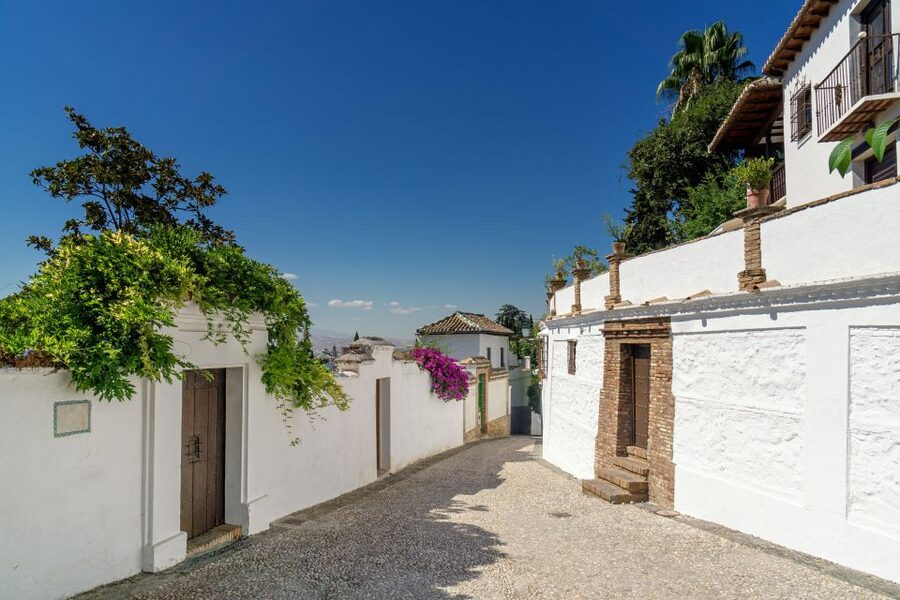
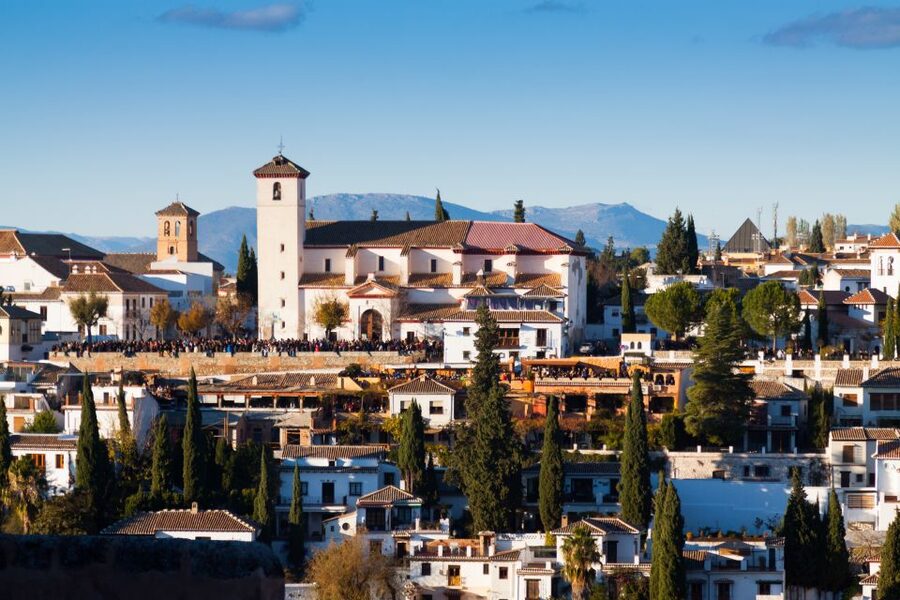
The main photo stop is Plaza de San Nicolás, reached after the uphill walk through the Albaicín. This is the viewpoint that gives you the classic view across the valley to the Alhambra, with the Sierra Nevada often forming the wider backdrop when conditions are clear.
The tour allows about 20 minutes here for a visit, guided explanation, and photos. That is enough time to take in the view without turning the whole experience into a crowded camera session.
The guide adds meaning to what you see. The Alhambra is not simply a red fortress on a hill. From San Nicolás, you can consider its relationship with the old Muslim city, the surrounding hills, and the neighborhoods below.
Timing matters. Some departures take place near sunset, and this can make the viewpoint especially appealing. The supplied information does not promise a sunset departure for every booking, so check the available start time before choosing. Even in daylight, the view is one of the tour’s strongest reasons to go.
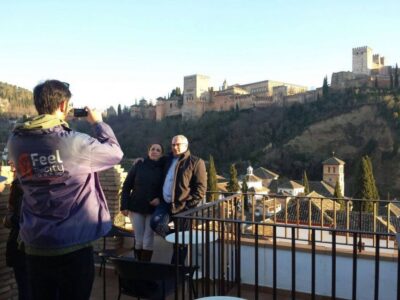
If you want photos of yourself, ask the guide. Maria was noted for offering to take pictures, a small courtesy that matters when you are traveling without a companion who can handle the camera.
Puerta de las Pesas and Plaza Larga
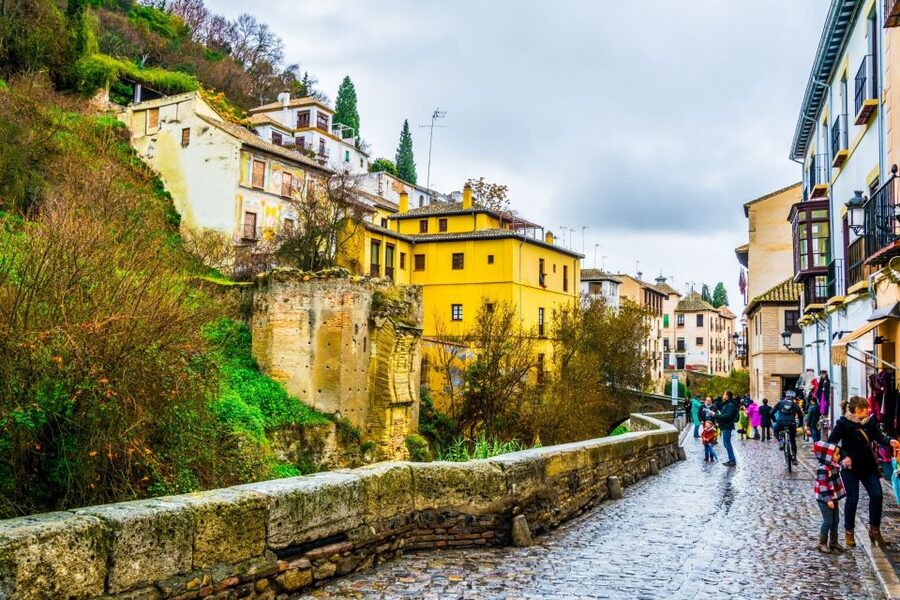
After San Nicolás, the route continues to Puerta de las Pesas, one of the old entrances associated with the Albaicín. Gates such as this help you picture the quarter as a defended settlement, not just a scenic residential area.
The stop is short, around five minutes, but the guide can connect the gate with the walls and urban structure of the former Muslim city. This is a good example of how the tour works: several brief places build a wider picture.
At Plaza Larga, another five-minute stop offers a change of pace and a glimpse of neighborhood life. The square is more open than the narrow lanes, and it helps mark the shift from the central Albaicín toward Sacromonte.
Do not expect every stop to be a major monument. This is a walking tour built around setting, stories, and connections. If you want long interior visits, the Alhambra or Granada Cathedral will suit that need better.
Sacromonte’s cave homes and flamenco identity
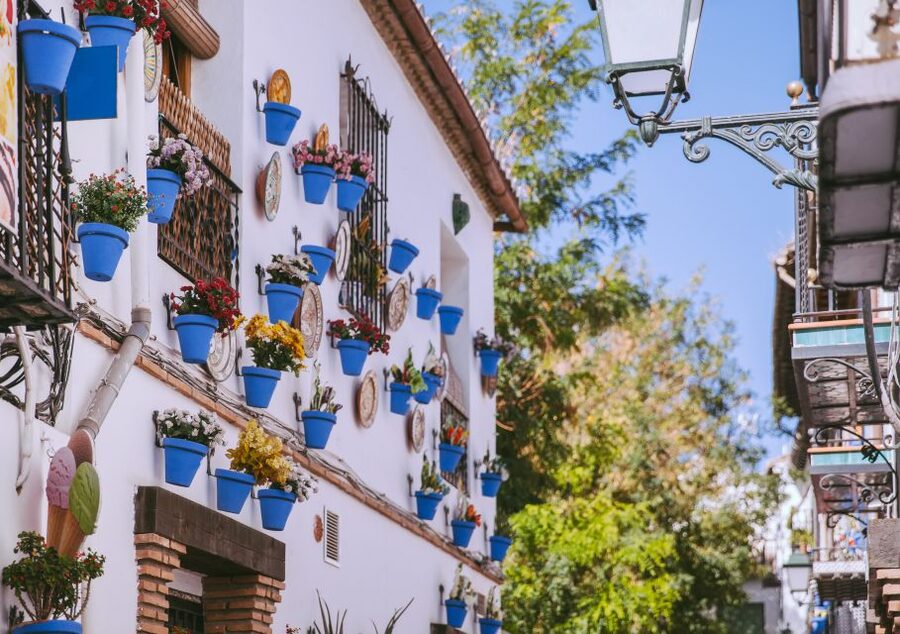
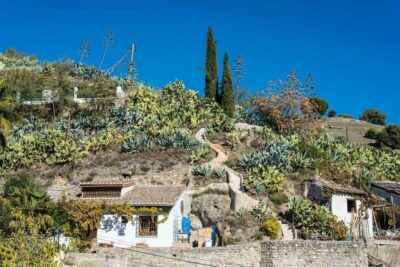
The route then reaches Sacromonte, where the mood and subject change. This quarter is associated with Gypsy culture, flamenco, and homes built into caves cut into the hillside.
The guide explains why people chose this setting centuries ago and how cave living developed. These homes are not simply curiosities for a quick photograph. They reflect practical responses to the terrain and the social history of the community.
The Sacromonte section lasts about 25 minutes, making it one of the longer stops. You hear about local customs, the relationship between the caves and flamenco, and the cultural mixture that gives Granada its particular character.
This is also the point where a good guide matters most. Carmen, described as an art historian, was praised for bringing the history of Granada and its Gypsy communities to life through stories and anecdotes. Other guides, including Juanita and Eduardo, were singled out for explaining the background of the Albaicín and Sacromonte in a patient, engaging way.
Keep your expectations sensible. The information supplied says the route visits the Sacromonte quarter and explains its caves, but it does not promise a full cave-house interior or a flamenco performance. If you want a show, treat that as a separate evening plan.
Cuesta del Chapiz and the route downhill
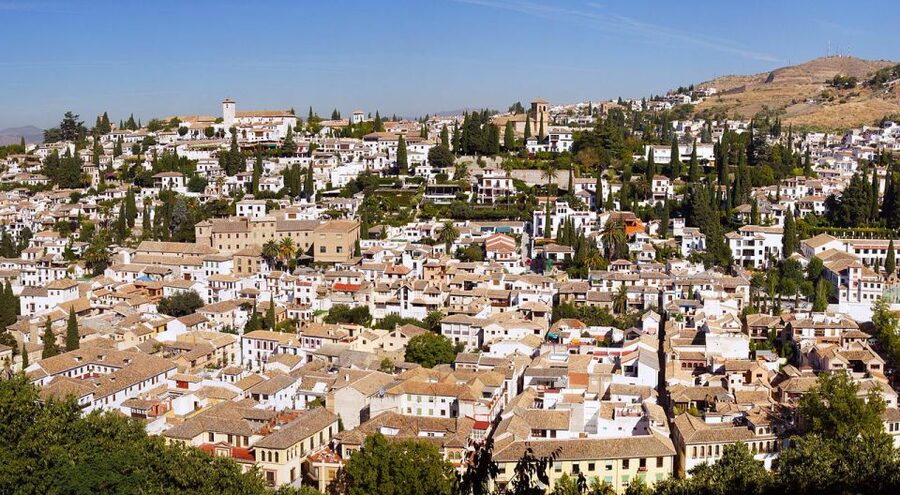
Cuesta del Chapiz is a short stop on the way out of Sacromonte. The name refers to one of the key slopes linking the hill neighborhoods, and this section gives you a sense of how Albaicín and Sacromonte connect.
By now, you will have done the hardest uphill work. The route still includes uneven surfaces and changes in level, but the descent may feel easier than the climb. Take care on the paving, especially after rain. One guide specifically reminded visitors that the streets can become slippery when wet.
This is not a route for strollers, wheelchairs, or large bags. Pets are not allowed, and flash photography is prohibited. Bring only what you need for two and a half hours outdoors.
Paseo de los Tristes and Carrera del Darro
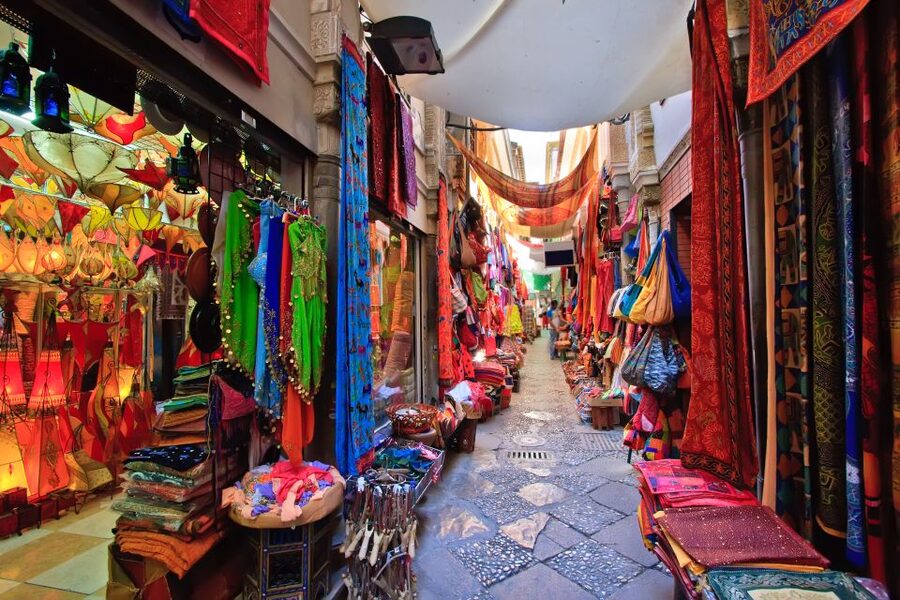
The walk continues to Paseo de los Tristes, a famous promenade beside the Darro. The name has a melancholy ring, but the setting is one of Granada’s most memorable: water, old stone, and views toward the hills and Alhambra area.
You spend about 15 minutes here, enough for the guide to explain the street’s place in Granada and for you to enjoy the change from hilltop lanes to riverside architecture. After the heights of the Albaicín and Sacromonte, the lower route feels like a natural release.
The final stretch follows Carrera del Darro for roughly 10 minutes before returning to Plaza Isabel la Católica. This ending is practical. You finish in the city center, close to restaurants and other sights, rather than being left on a remote hill.
Several guides have offered useful suggestions at the end of the walk, including places to eat and flamenco shows. One Maria even prepared a list of restaurant recommendations after being asked so often. Advice like this can make the $18 cost feel especially worthwhile if it helps shape the rest of your Granada stay.
How difficult is the walking?
The tour description says it is not suitable for people with mobility impairments or wheelchair users. That warning deserves attention.
The route includes steep slopes, stairs, uneven road surfaces, and plenty of up-and-down walking. One participant called it a definite uphill climb, while another said the rest stops made it manageable. Both points can be true: the guide may pace the group well, but nobody can remove the hills.
Wear flat, secure walking shoes. Avoid smooth soles, loose sandals, and anything you would not trust on irregular paving. Comfortable clothing matters, and water is essential.
Several guides have been praised for pacing the walk carefully. Francesco was noted for stopping at a sensible rhythm, and another guide was praised for helping people who needed physical assistance while watching for unsafe surfaces. That is encouraging, but you should still judge the route by your own ability.
Guide quality and group atmosphere
The guide is the main reason to choose this experience over walking the same streets with a map. The official guides work in English, French, or Spanish, with the tour conducted in one selected language.
Many of the named guides received strong praise for clear explanations, humor, patience, and local insight. Alejandra, Lorene, Paula, Carmen, Maria, Francesco, Chema, Fernando, and others were described as engaging and well prepared. The specific guide depends on the departure, so you should not book expecting one particular person unless the reservation confirms it.
Group size can vary, but several departures have been described as small and intimate. That makes it easier to ask questions and easier for the guide to adjust the pace. It also helps in narrow lanes, where a large group can become awkward.
The subject matter benefits from a human voice. Granada’s Muslim past, Christian takeover, Gypsy communities, and flamenco traditions involve complicated changes over time. A good guide can explain those shifts without reducing the city to a collection of dates.
Is $18 good value?
At $18 per person, this is inexpensive for a guided two to two and a half hour walk. You are paying for the official guide, not transport, food, or drinks, so the value depends on how much you want interpretation.
For a first visit, I think the price is strong. You cover two major historic districts, reach Plaza de San Nicolás, learn how the cave quarter developed, and finish with a better sense of where to return. A self-guided walk costs less, but you would need to supply the historical research and navigation.
The tour is less useful if you have already spent several days studying Granada or prefer to explore at your own pace. The fixed route and group timing mean you cannot linger everywhere. Still, the modest price limits the risk, especially with free cancellation up to 24 hours before the tour and the option to reserve now and pay later.
Who should book this walk?
I would choose it early in a Granada visit, particularly if you want help making sense of the Albaicín before exploring alone. It suits adults, older children who can handle hills, solo visitors, couples, and small groups interested in history and local culture.
It is also a good match if your main Granada goals include Alhambra views, traditional neighborhoods, and an introduction to flamenco culture. The tour does not replace an Alhambra visit, and it does not include a performance, but it gives those experiences a wider setting.
I would skip it if you need a flat route, use a wheelchair, bring a stroller, or plan to carry substantial luggage. I would also think twice if heat and uphill walking are major concerns.
Should you book the Albaicín and Sacromonte tour?
Book it if you want a low-cost, well-paced introduction to Granada’s oldest quarters and prefer stories to a silent stroll. The Alhambra viewpoint, cave-quarter history, and guide-led route through the Albaicín make the experience more useful than simply following the prettiest streets.
Just prepare for the physical side. Wear proper shoes, carry water, protect yourself from the sun, and check the departure language and time. If you can handle the climb, this is a smart way to get your bearings, then return to the neighborhoods and wander at your own pace.
FAQ
Where does the tour begin?
It begins at Isabel la Católica Square in Granada, behind the Monument of the Capitulations, near the statue of Queen Isabella I and Christopher Columbus.
How long does the walking tour last?
The tour lasts about two to two and a half hours. Starting times vary, so check availability when choosing your date.
Which languages are available?
The tour is offered in English, French, and Spanish. It is conducted in one language, based on the language selected during reservation.
Does the tour include transportation?
No. Transport is not included. The experience is a walking tour that begins and ends at Plaza Isabel la Católica.
Is the route suitable for wheelchair users?
No. The tour is not suitable for wheelchair users or people with mobility impairments because it includes steep slopes, stairs, and uneven surfaces.
What should I bring?
Bring comfortable shoes, sunglasses, a sun hat, sunscreen, water, and comfortable clothes. Large bags, luggage, pets, and baby strollers are not allowed.
Just added around Granada
- Granada: Alhambra tickets and other attractions★ 5.0 · 3 reviews
- Antequera and Torcal from Granada in a small group up to 7 people★ 4.5 · 3 reviews
- Granada Private Tapas & Walking Tour★ 4.5 · 3 reviews
- Albaicin and Sacromonte Private Tour★ 4.5 · 3 reviews
- Complete Private Tour of Alhambra with Nasrid Palaces★ 4.5 · 3 reviews
- Sierra Nevada Small Group BIKE Tour★ 5.0 · 3 reviews
- Private Tour of the Alhambra★ 5.0 · 3 reviews
- Granada: Guided Albaicín Visit with Pets★ 5.0 · 3 reviews
Albaicin & Sacromonte Tours, compared.
Albaicín and Sacromonte Guided Sunset Walking Tour
Read our review →
Flamenco Show in Albaycin – Jardines de Zoraya
Read our review →
Albaicin & Sacramonte Electric Bike Tour in Granada
Read our review →
Browse the lists this tour appears in