
Reviewed · ALBAICIN & SACROMONTE TOURS
Granada: Albaicín and Sacromonte 2.5-Hour Walking Tour
Granada’s best views often arrive after a climb. This Albaicín and Sacromonte walk leads you through whitewashed lanes, old city walls, Moorish architecture, and the cave homes of the city’s historic Gypsy quarter, with the Alhambra appearing from several angles.
I like the strong sense of place, especially the contrast between the Muslim Albaicín and Sacromonte’s cave neighborhoods. I also like the practical local advice, from photo spots to tapas and flamenco. The catch is simple: this is a demanding uphill walk, with steep streets and steps that can feel like a serious workout in hot weather.
In This Review
- Key points to know before booking
- Starting in Plaza Isabel La Católica
- The Albaicín’s narrow lanes and Moorish design
- Old gates, walls, and Granada’s early defenses
- The views that justify the uphill work
- Sacromonte and the cave homes
- Guides who make the difference
- How the pace and group feel affect the day
- What the $23 price buys you
- Who should book this walk
- My practical plan for using the tour well
- Should you book the Albaicín and Sacromonte walk?
- FAQ
- Where does the tour begin?
- Where does the tour finish?
- How long does the tour last?
- What neighborhoods does the walk visit?
- Will I see the Alhambra?
- Does the tour visit cave homes?
- Is the tour physically demanding?
- What language is the tour offered in?
- What is included in the price?
- How much does the tour cost?
- Can I cancel the booking?
- Do I have to pay when I reserve?
Key points to know before booking
- Alhambra views from several hillside spots: Bring a camera, but expect climbs before the best viewpoints.
- Two historic districts in one walk: You see the Albaicín’s Moorish roots and Sacromonte’s cave quarter.
- A local guide adds useful context: Guides such as Josh, Juana, Laura, Isabel, and Santiago have been praised for clear explanations and friendly service.
- Expect steep streets and steps: One participant described roughly 800 feet of stairs, so this is not an easy stroll.
- Good orientation for a first visit: The tour can help you understand Granada before visiting the Alhambra.
- Practical evening advice: Guides may suggest tapas, restaurants, and flamenco performances suited to your interests.
Starting in Plaza Isabel La Católica
The tour begins at Plaza Isabel La Católica, a central meeting point in Granada. From here, you head toward the Albaicín, one of the city’s oldest quarters, while your guide lays out the broad story of Granada.
That opening context matters. The Alhambra gets most of the attention, but the Albaicín explains the city that grew around it. As you walk, you learn how Granada developed as a center of art and architecture from the 11th century onward, and how Muslim, Christian, and Gypsy communities shaped the city at different times.
I like this kind of beginning because it gives you a map in your head before you start sightseeing on your own. You are not simply looking at a pretty lane. You are learning why the lane bends, why the walls occupy a certain ridge, and how the neighborhoods connect.
The exact length is presented in two ways: the experience is described as 2.5 hours, while the practical details list three hours. Plan for about three hours rather than trying to squeeze another appointment immediately afterward. A walking tour on Granada’s hills can also take longer if the guide slows the pace for the group.
More walks through the Albaicin and Sacromonte:
- Granada: Albaicín and Sacromonte Guided Sunset Walking Tour
★ 4.9 · 2,962 reviews - Sacromonte: Flamenco Show at Cuevas Los Tarantos Tickets
★ 4.5 · 2,051 reviews - Granada: Flamenco Show in Albaycin – Jardines de Zoraya
★ 4.7 · 1,234 reviews
The Albaicín’s narrow lanes and Moorish design
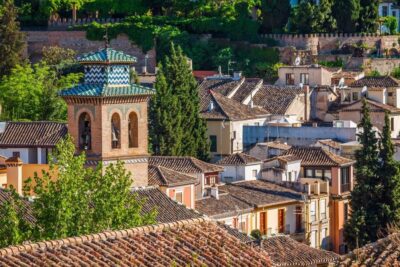
The Albaicín is best understood on foot. Its narrow streets and irregular layout reflect a much older city plan than the broad avenues in central Granada. You move through a maze of lanes, corners, and small open spaces rather than following a neat sightseeing route.
Your guide discusses Moorish architecture and the ways people lived in this part of the city. One especially useful detail is Granada’s old water distribution system, which still has a role in the area. Water was not a minor concern in a hilltop city, and seeing the neighborhood through that practical lens makes the architecture easier to understand.
You may also hear about the word carmen, a local term connected with the Albaicín’s houses and gardens. This is the sort of small piece of information that helps you notice details after the tour. A book can point out a building, but a guide can explain the idea behind the house, courtyard, wall, and garden.
The narrow lanes are also the route’s main physical challenge. Surfaces can be uneven, and the path rises as you move toward the higher parts of the district. Wear shoes with a firm sole, carry water, and avoid treating this as a gentle city-center walk.
Old gates, walls, and Granada’s early defenses
The walk includes remains of city gates and sections of the old walls surrounding the Alcazaba. These fragments can be easy to miss if you pass them without explanation. With a guide, they become clues to Granada’s earlier shape and defenses.
You will not get a full museum-style treatment of every stone. Instead, the guide uses the remaining gates and walls to explain how the city developed and how the Alcazaba fitted into the larger urban system. That approach keeps the walk moving while giving you enough context to recognize the significance of what you see.
This part is especially useful before an Alhambra visit. One participant said the walk helped make sense of a visit to the Alhambra the following day. That makes the tour a smart first-day activity if you are new to Granada. You gain the historical framework first, then see the palace and fortress complex with a clearer idea of its setting.
Do not expect entry into the Alhambra on this tour. The experience is a neighborhood walk, not an Alhambra ticket or guided palace visit. The reward is the view toward the monument and a better understanding of the city around it.
The views that justify the uphill work
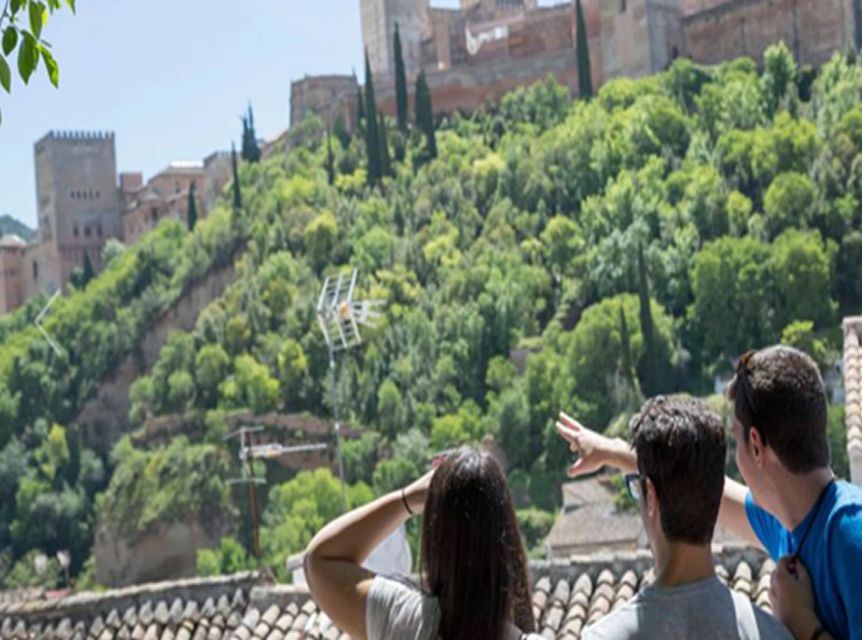
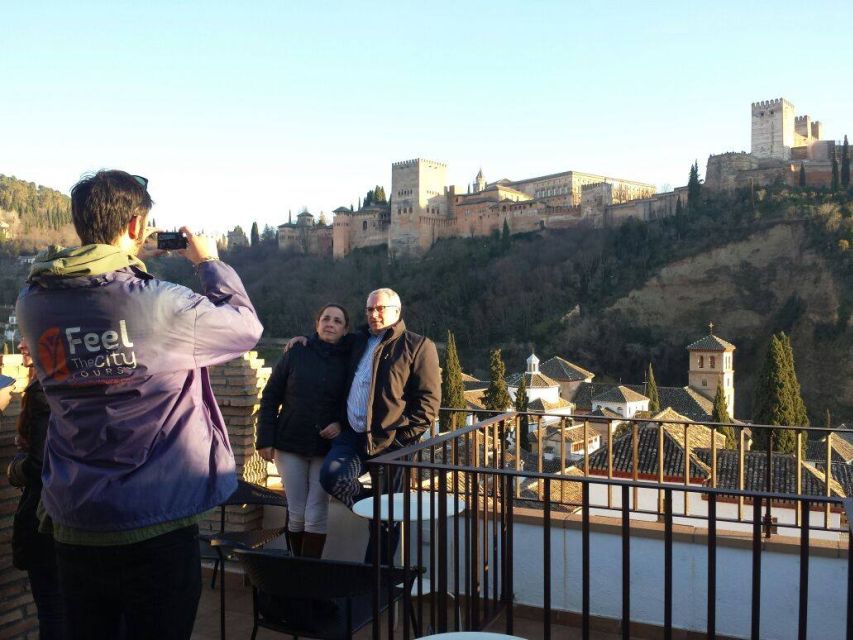
The Alhambra views are the emotional high point of the route. From the Albaicín’s higher streets and Sacromonte’s slopes, you can see the fortress and palace complex across the valley, often with Granada spreading below and mountains beyond.
The value here comes from seeing the Alhambra in context. Inside the complex, you focus on courtyards, decoration, and rooms. From the Albaicín and Sacromonte, you see why the site was chosen and how it relates to the city.
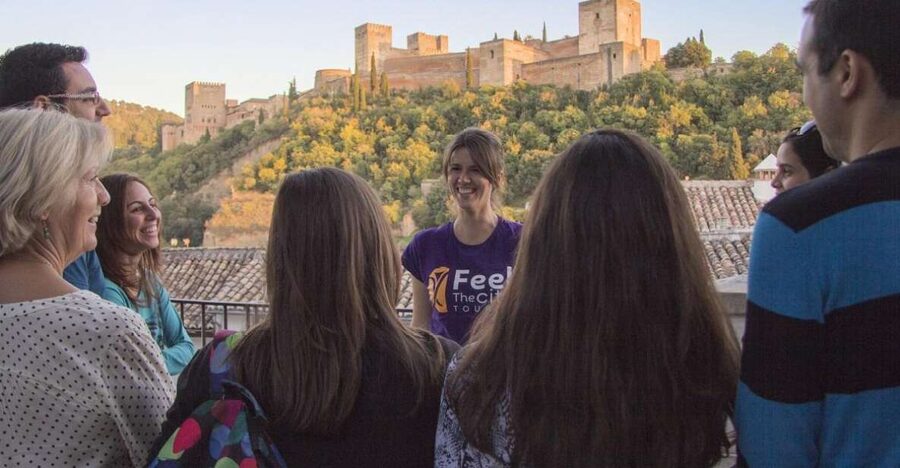
Your guide may also point out particular places for photographs. Josh is repeatedly praised for showing good Alhambra viewpoints and sharing photo advice. These stops are not just quick pauses for pictures. They give the group time to look, ask questions, and connect the view with the story of Granada.
The climb is the price of admission. On a hot day, the route can be tiring, especially for older walkers or anyone unaccustomed to hills. Laura was praised for slowing down and extending the tour when members of her group struggled with the heat and uphill sections. That suggests a considerate guiding approach, but you should still book with your own fitness in mind.
More guided walks on foot:
- Guided Walking Tour of the Alhambra in Granada
★ 4.0 · 863 reviews - Granada: Albaicín and Sacromonte Walking Tour
★ 4.5 · 665 reviews - Granada’s Hidden Treasures: Albayzin and Sacromonte Walking Tour
★ 4.5 · 575 reviews - Granada: Walking Food Tour
★ 4.8 · 460 reviews
Sacromonte and the cave homes
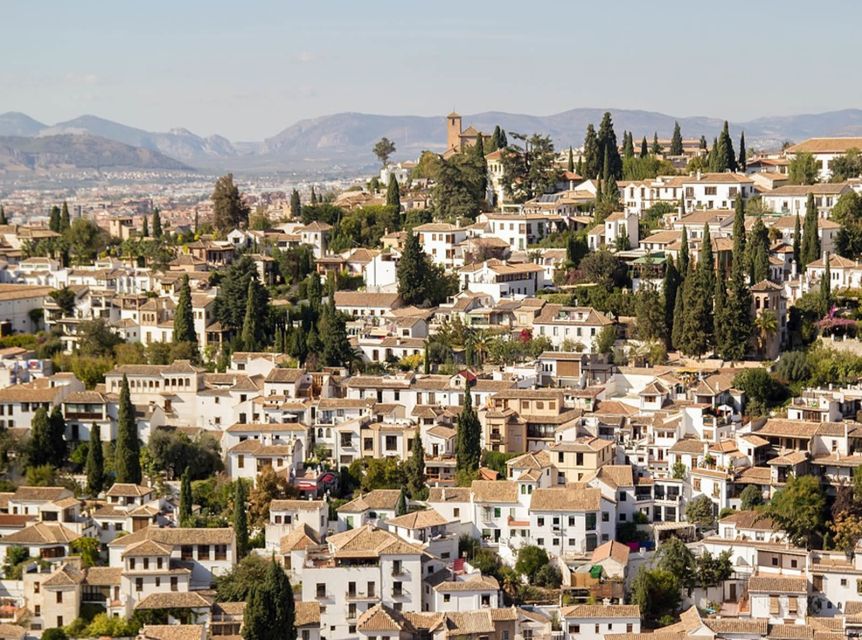
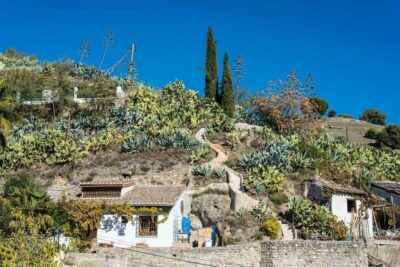
The route continues into Sacromonte, the historic Gypsy neighborhood associated with cave homes cut into the mountain. These caves are among the most distinctive features of Granada’s built environment. They are not simply old houses. They show how residents adapted the hillside itself for shelter and community life.
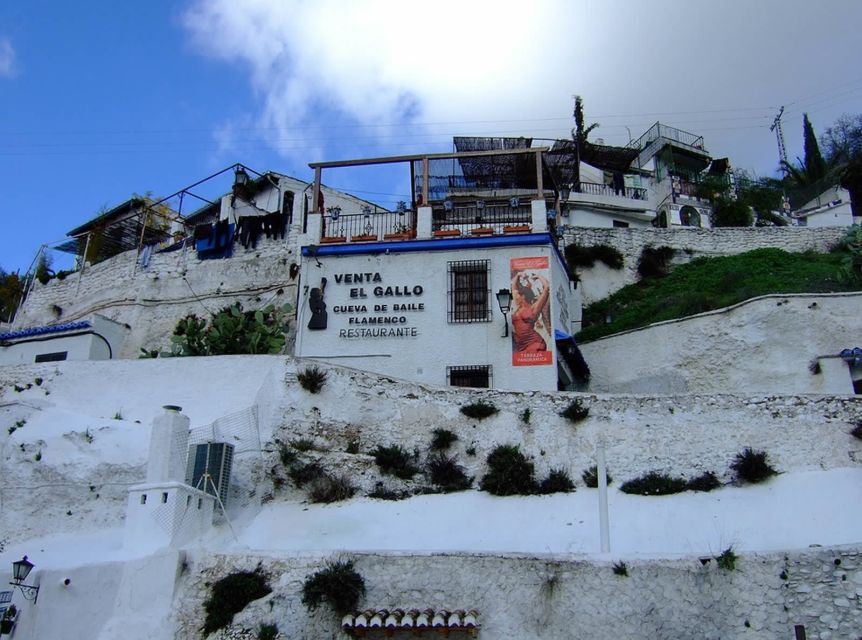
Your guide explains the history of the people who lived in the area and the way Sacromonte’s identity developed. The experience also gives useful background on flamenco and its connection with the neighborhood’s Gypsy culture. If you already plan to attend a flamenco performance, this context can make the show feel less like a separate entertainment choice and more like part of Granada’s cultural story.
The description does not promise entry into private cave homes, so you should expect to see and discuss the cave quarter rather than tour private interiors. That is worth keeping in mind if cave access is your main reason for booking.
Sacromonte also adds a different mood from the Albaicín. The Albaicín focuses strongly on Moorish urban design and old city defenses. Sacromonte feels more tied to hillside living, music, and the continuing identity of a local community.
Guides who make the difference
The guide is central to this experience. The tour is not built around admission tickets or a long list of monuments. Its value comes from interpretation, pacing, and the ability to point out things you would likely miss alone.
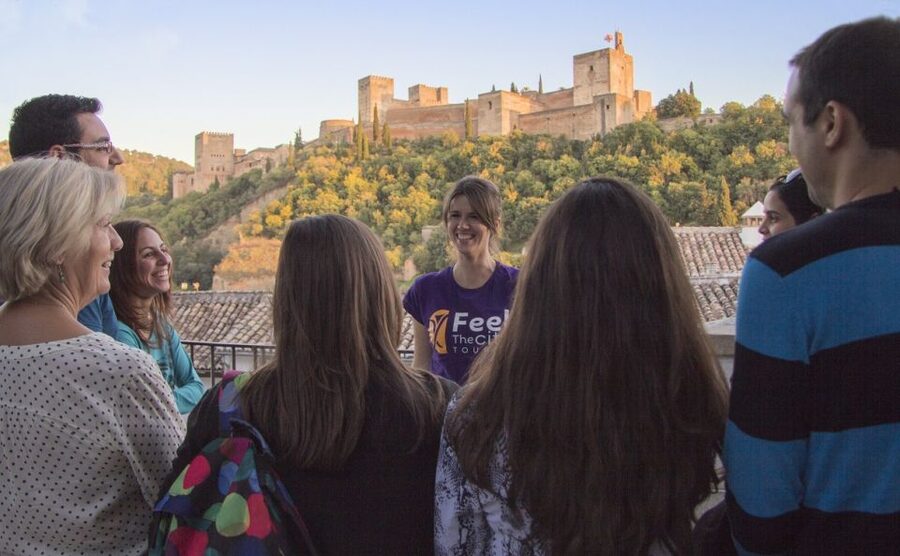
Several guides are named in the feedback. Josh is praised for clear English, humor, useful history, and practical tips. Juana and Juanita are praised for detailed explanations, enthusiasm, restaurant suggestions, and flamenco advice. Laura is noted for patience on a hot day, while Isabel, Irene, Marion, Santiago, and José Antonio Valdi are also described as friendly, professional, and engaging.
The listed tour language is Spanish, so confirm the language available for your chosen departure before paying. Some individual guides have been praised for English, but that should not be treated as a guarantee for every scheduled tour.
The best guides balance information with movement. Juana, for example, is described as giving a detailed account of Granada’s past and the origins of flamenco. Josh is praised for keeping the tour lively without overwhelming the group. That balance matters because a history lecture on a steep hill can become hard work very quickly.
How the pace and group feel affect the day
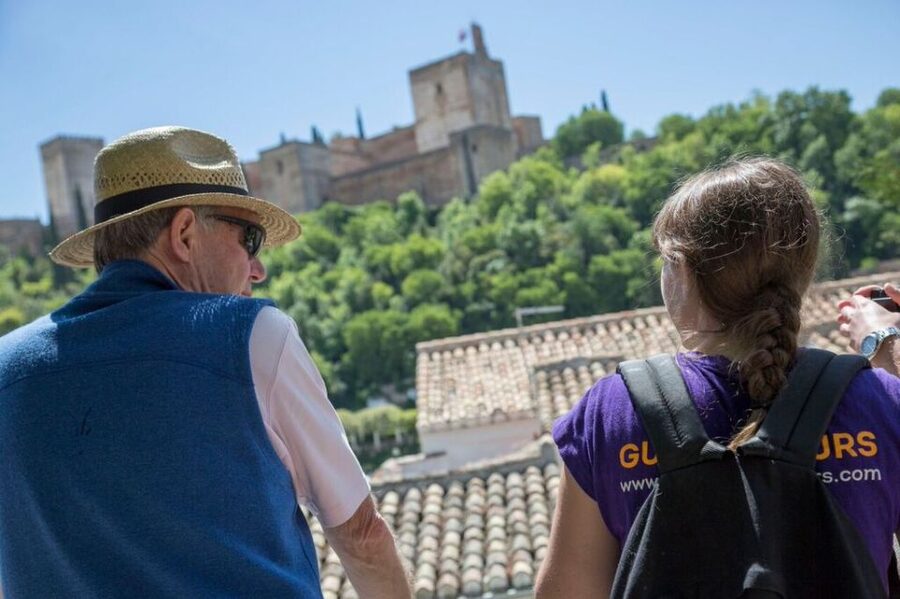
Group size can vary. One experience had only three participants and moved at an easy pace, which made the walk feel almost private. A small group also makes it easier to ask questions and hear the guide in narrow streets.
You should not assume every departure will be that intimate. The available information does not give a fixed maximum group size. Still, the tour has been described as well organized, and the guides appear accustomed to adjusting their pace to the people in front of them.
Expect a walking experience rather than a stop-and-start bus tour. You return to Plaza Isabel La Católica at the end, so you do not need to arrange transport from a distant neighborhood. The route’s practical drawback is that the return point may not be close to where you finish your evening plans, though the central meeting point makes onward planning fairly simple.
Because the walk includes hills, your clothing choices matter. Light clothing, water, sun protection, and comfortable shoes will make a real difference. If you are visiting during a very hot period, an early or later start may feel easier, depending on the times offered when you book.
What the $23 price buys you
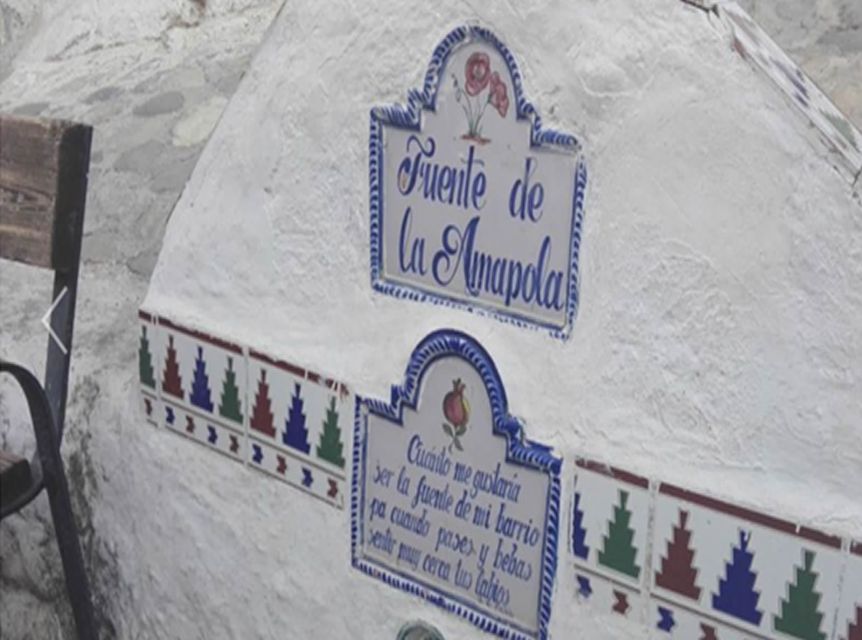
At $23 per person, this is a modestly priced way to get a structured introduction to two of Granada’s most characterful districts. You are paying mainly for a live guide, local interpretation, route planning, and access to viewpoints and side streets that can be difficult to organize efficiently on your first visit.
There are no listed admissions, meals, drinks, or transport included. That keeps the price low, but it also means you should see the tour as an orientation walk rather than a full day of sightseeing.
I consider the price good value if you want historical context and practical help early in your stay. It is less useful if you prefer to wander silently, dislike group pacing, or already know the Albaicín and Sacromonte well.
The added value is strongest when you use the guide’s advice afterward. Suggestions for tapas, seafood, restaurants, and flamenco performances can help you shape the rest of your Granada visit. One guide even recommended a small flamenco venue where the audience sat close to the performers. Advice like that can be more useful than another generic list of attractions.
Free cancellation up to 24 hours before the start and the option to reserve now and pay later reduce the risk of booking ahead. These policies are useful in a city where heat, changing plans, or Alhambra ticket times can affect your schedule.
Who should book this walk
I would put this tour near the top of the list for a first visit to Granada, especially if you plan to see the Alhambra. It gives you a strong sense of how the city’s neighborhoods, cultures, and hillside geography fit together.
It also suits anyone interested in Moorish architecture, urban history, flamenco, or local food advice. Photography fans will appreciate the changing Alhambra views, though they should be ready to earn them.
You should think twice if steep climbs and many steps are difficult for you. The route is not described as accessible, and one participant called it a serious workout involving about 800 feet of stairs. A slower pace may be possible, but you should not count on the route becoming flat.
Families with older children may enjoy it if everyone is comfortable walking uphill. People seeking an easy, level stroll should choose something else.
My practical plan for using the tour well
Book it near the start of your Granada stay. That lets you use the guide’s advice for later meals, viewpoints, and flamenco plans, and it can prepare you for an Alhambra visit.
Leave space around the tour rather than scheduling a formal meal or timed attraction immediately afterward. The listed duration is three hours, and the hills, weather, or group pace can affect the finish.
Ask questions as you walk. The guides are praised for answering them, and the tour becomes more valuable when you connect the broad history to your own interests. If you care about flamenco, ask about its local roots. If you care about photography, ask where to return for a quieter view.
Bring water and take the climb seriously. The views are worth the effort, but Granada’s hills are not decorative. They are the route.
Should you book the Albaicín and Sacromonte walk?
Book it if you want Granada explained through its streets rather than reduced to the Alhambra alone. For $23, you get a lively introduction to the Albaicín, Sacromonte, Moorish design, old defenses, cave homes, flamenco culture, and some of the city’s best Alhambra viewpoints.
Skip it if you need a flat route, guaranteed English, or entry into the caves and Alhambra. For most reasonably fit visitors, though, this is a smart first-day choice. The hills demand effort, but the views, local stories, and practical evening advice give the walk lasting value.
FAQ
Where does the tour begin?
The tour begins at Plaza Isabel La Católica in Granada.
Where does the tour finish?
The activity ends back at the meeting point, Plaza Isabel La Católica.
How long does the tour last?
The experience is described as 2.5 hours, while the activity details list a duration of three hours. Plan on allowing about three hours.
What neighborhoods does the walk visit?
The route visits the Albaicín and Sacromonte, two of Granada’s most historic neighborhoods.
Will I see the Alhambra?
Yes. The walk includes viewpoints with views of the Alhambra, but it does not include entry to the Alhambra.
Does the tour visit cave homes?
The route goes to the caves of Sacromonte and explains the cave neighborhood. Entry into private cave homes is not specified.
Is the tour physically demanding?
Yes. The route includes steep climbs and steps. One participant described roughly 800 feet of stairs, so it is not an easy level walk.
What language is the tour offered in?
The activity details list Spanish as the tour language. Some named guides have been praised for speaking very good English, but you should confirm the language for your selected departure.
What is included in the price?
A guide is included. Meals, drinks, transport, and admission tickets are not listed as included.
How much does the tour cost?
The listed price is $23 per person.
Can I cancel the booking?
You can cancel up to 24 hours in advance for a full refund, according to the activity terms.
Do I have to pay when I reserve?
The activity allows you to reserve now and pay later, so you do not have to pay at the time of booking.
Just added around Granada
- Granada: Alhambra tickets and other attractions★ 5.0 · 3 reviews
- Antequera and Torcal from Granada in a small group up to 7 people★ 4.5 · 3 reviews
- Granada Private Tapas & Walking Tour★ 4.5 · 3 reviews
- Albaicin and Sacromonte Private Tour★ 4.5 · 3 reviews
- Complete Private Tour of Alhambra with Nasrid Palaces★ 4.5 · 3 reviews
- Sierra Nevada Small Group BIKE Tour★ 5.0 · 3 reviews
- Private Tour of the Alhambra★ 5.0 · 3 reviews
- Granada: Guided Albaicín Visit with Pets★ 5.0 · 3 reviews
Albaicin & Sacromonte Tours, compared.
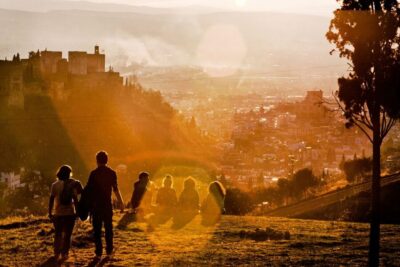
Albaicín and Sacromonte Guided Sunset Walking Tour
Read our review →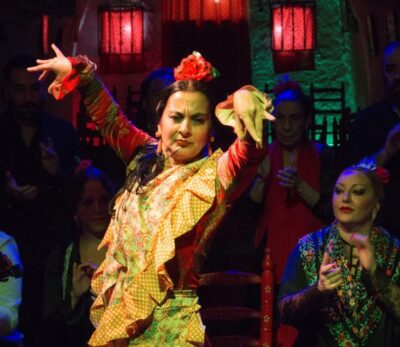

Flamenco Show in Albaycin – Jardines de Zoraya
Read our review →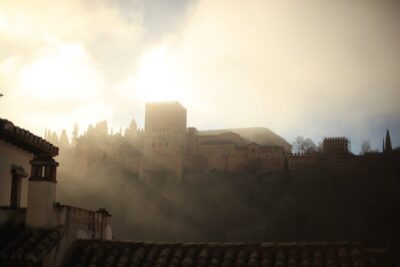
Albaicin & Sacramonte Electric Bike Tour in Granada
Read our review →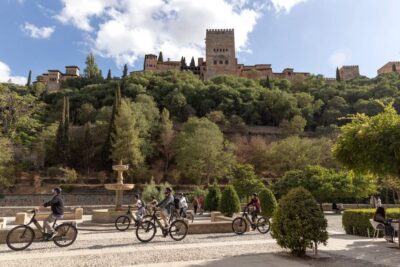

Browse the lists this tour appears in