
Reviewed · ALHAMBRA TOURS
Granada: Alhambra Complex Guided Tour with Ticket
The Alhambra is not one building but a hilltop world of palaces, gardens, military towers, and traces of a once-busy city. This three-hour tour gives you a clear route through the Nasrid Palaces, Generalife, Alcazaba, and Carlos V Palace, with a guide explaining how the royal court, soldiers, and ordinary workers fit into the picture. I like the included ticket and the chance to move past long entry queues. I also like the headsets, which help you hear the guide in crowded courtyards.
The main drawback is the pace. The Alhambra is huge, busy, and often hot, so three hours can feel tight, especially when crowds slow the first part of the visit. You’ll also need your passport or ID card, and this is not a good fit if stairs and extended walking are difficult.
In This Review
- Key points to know before you book
- Why a guided Alhambra visit helps
- Meeting the guide at the orange umbrella
- Generalife gardens: the Alhambra’s quieter side
- The Nasrid Palaces: decoration with a political purpose
- Alcazaba: towers, soldiers, and wide views
- Carlos V Palace: a later layer of Granada
- Guides, group size, and the listening equipment
- The three-hour pace and physical demands
- Is $60 good value for Granada?
- Who should book this Alhambra tour?
- My verdict: a strong first visit with a busy route
- FAQ
- How long is the Alhambra guided tour?
- What parts of the Alhambra are included?
- Is the entrance ticket included?
- Where do I meet the guide?
- How do I identify the tour guide?
- Do I need to bring my passport?
- What personal information is needed when booking?
- Are headphones provided?
- Which languages are available?
- Is the tour suitable for wheelchair users?
Key points to know before you book

- Four major sections in one visit: See the Nasrid Palaces, Generalife, Alcazaba, and Carlos V Palace rather than focusing on only one part of the complex.
- Tickets are handled for you: Meet at the Access Pavilion, collect your entrance ticket from the guide, and avoid the normal ticket line.
- Guides add the missing context: Guides including Luis, Amelia, Estrella, Cynthia, Rocio, and Álvaro have been praised for clear stories, humor, and strong knowledge of the site.
- Headphones make group touring easier: You receive a listening device, useful when several groups gather in the same courtyard.
- Expect a walking tour: Wear good shoes, carry water, and bring sunscreen, since the route includes gardens, open spaces, slopes, and towers.
- Small groups can make a difference: Some departures have been as small as six or seven people, making questions and movement through crowded areas easier.
Why a guided Alhambra visit helps
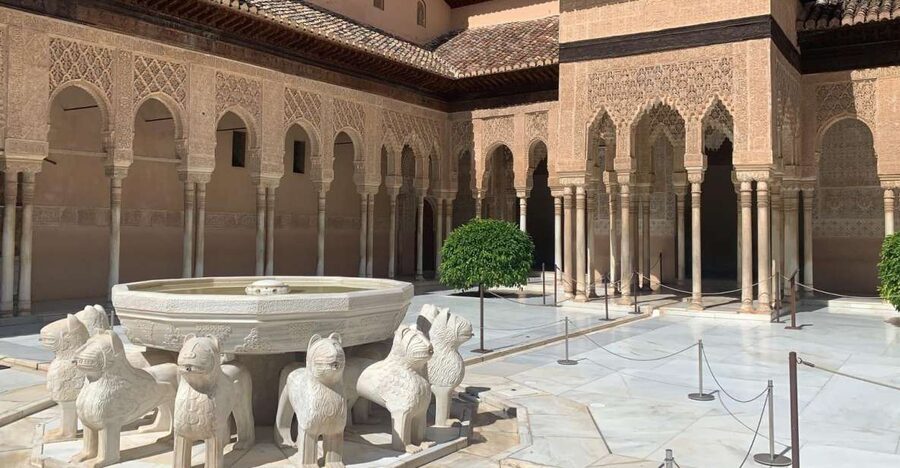
The Alhambra can overwhelm you before you even reach the first palace room. There are gardens to the north, fortifications at the western end, royal residences in the middle, and later Christian buildings mixed into the site. Without a plan, you may admire the decoration but miss how the pieces worked together.
A guide gives the complex a human shape. Instead of seeing only carved plaster and reflecting pools, you learn about the Nasrid rulers, their court, the elite soldiers stationed in the Alcazaba, and the workers who supported life on the hill. Good guides also explain building methods and how parts of the Alhambra may have looked when the complex was in use.
That interpretive layer is the strongest reason to pay for this tour. The Alhambra’s beauty is immediate, but its political and social story takes explanation. Guides such as Luis have been singled out for placing historical facts in context, while Amelia has been praised for combining serious information with humor and energy. Cynthia’s style has been described as clear enough to follow without turning the visit into a lecture.
The tour runs for three hours. That is long enough to cover the main sections, but not long enough to linger everywhere. I would choose this format if you have limited time in Granada or want a first visit that gives you a working map of the complex.
More Alhambra tours and tickets:
- Granada: Alhambra & Nasrid Palaces Tour with Tickets
★ 4.7 · 19,801 reviews - Granada: Alhambra and Nasrid Palaces Entry Ticket
★ 4.6 · 15,130 reviews - Granada: Alhambra & Generalife Fast-Track Guided Tour
★ 4.7 · 8,313 reviews
Meeting the guide at the orange umbrella
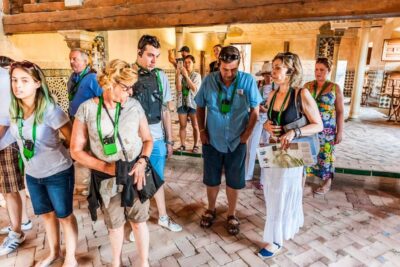
Your meeting point is the Alhambra Access Pavilion. Look for the orange umbrella and the poster marked Guides. This detail matters because the Alhambra entrance area can feel confusing, especially when several groups are gathering at fixed times.
Arrive early. Your guide gives you the entrance ticket before the tour starts, and the group will not wait for late arrivals. The complex requires your passport or ID card, so keep the same document you supplied when booking close at hand.
At booking, you must provide each participant’s name, surname, passport or ID number, nationality, and age. This is not a minor formality. The information is required for entry, and an error or missing document can create a serious problem at the gate.
The meeting point is not hotel pickup. You make your own way to the Access Pavilion, and food and drinks are not included. Bring water with you, especially in warm months, because the visit includes open gardens and exposed paths.
Generalife gardens: the Alhambra’s quieter side
The Generalife begins the visit with a softer mood. This was the royal family’s country retreat and place of rest, where water, planted terraces, and open air offered a break from court life.
You’ll walk through gardens designed around calm and order. The water channels and pools are not just decoration. They cool the space, guide your eye, and show how the Nasrid court used gardens as part of palace life.
This section can be crowded. One four-star account describes the first part in the Generalife as especially busy, with the group moving quickly before finding a slower pace later. That is useful to know: do not expect a quiet garden stroll at every point.
Still, the Generalife is an important start because it introduces the central idea of the Alhambra, architecture and nature working together. A guide can point out how the royal retreat differed from the defensive and ceremonial parts of the hill.
Take photographs, but listen closely here. The gardens are easy to admire on your own, while the explanation of their role in royal life is harder to recover without a guide.
The Nasrid Palaces: decoration with a political purpose
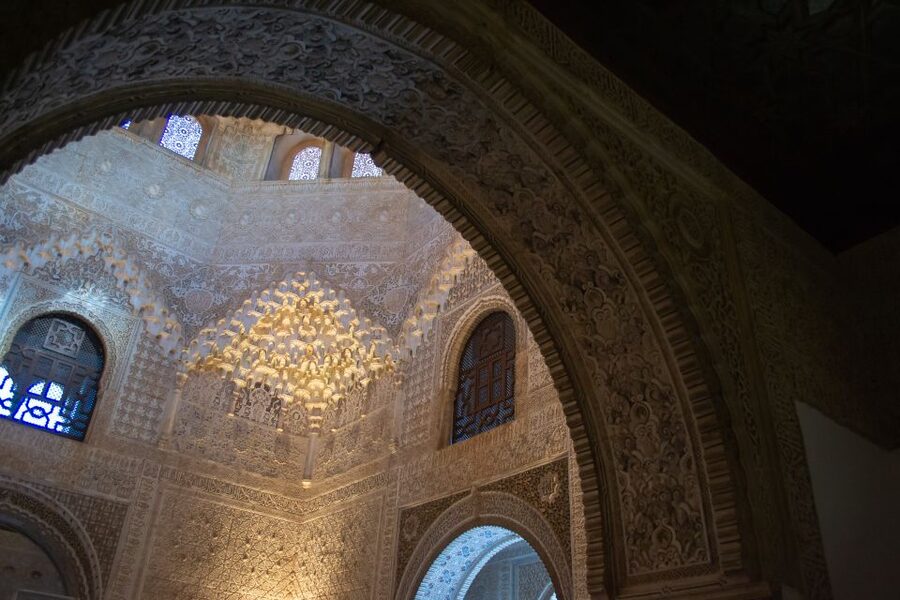
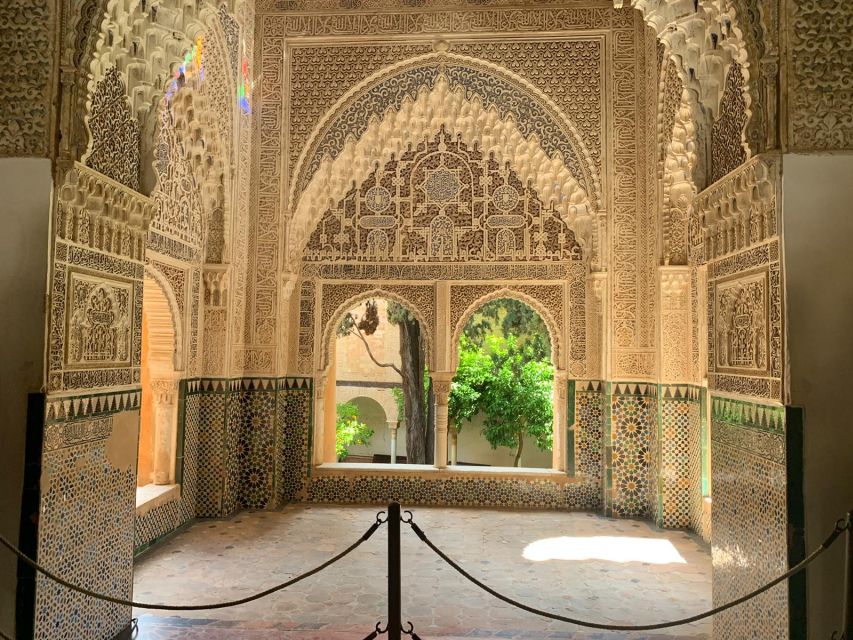
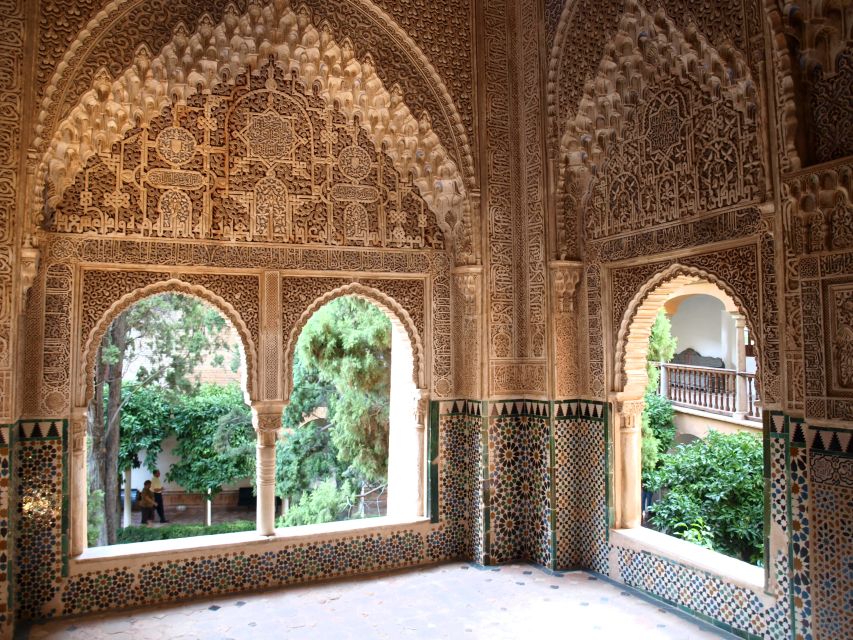
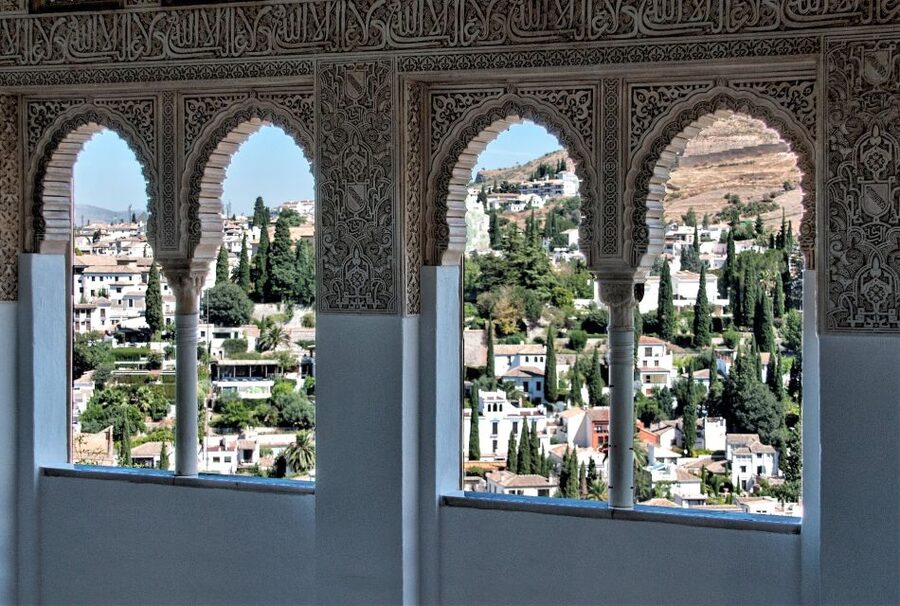
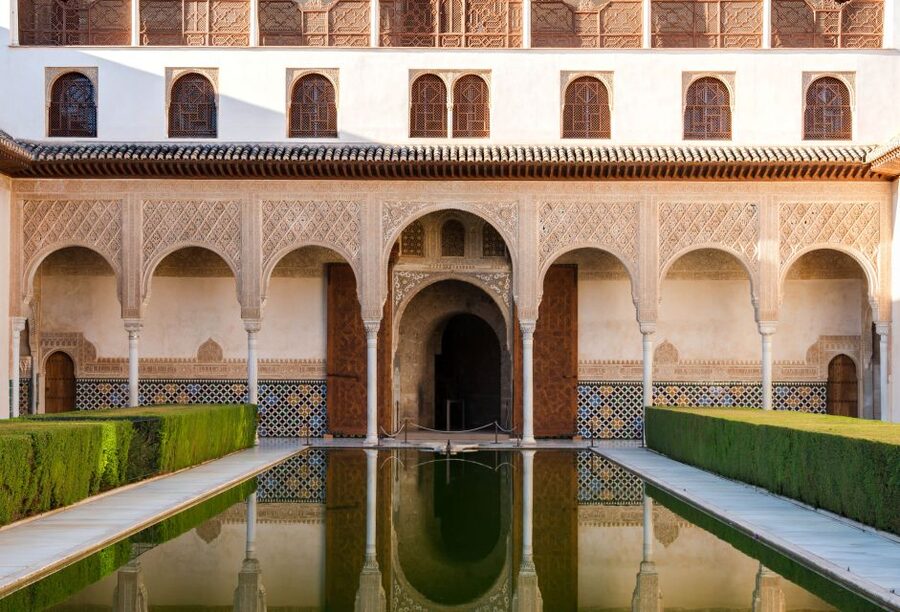
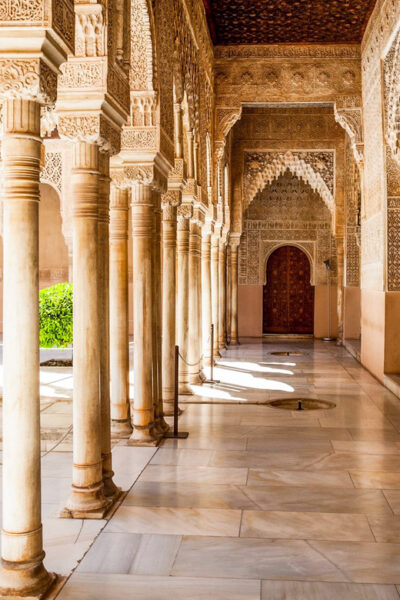
For many people, the Nasrid Palaces are the main event. Their rooms are known for detailed plasterwork, tiled walls, carved ceilings, courtyards, and carefully framed views. The effect is delicate, but the message behind it was firm: this was the center of power in the Muslim kingdom of Granada.
Your guide helps translate the decoration. Arabic inscriptions, repeated patterns, light, water, and proportion all contribute to the way the palaces feel. Rather than treating every room as a separate picture stop, the tour connects them to the court and the society that used them.
The palaces are also where crowding is most likely to affect your experience. You may need to keep moving, share viewpoints with other groups, and listen through the headset rather than gather in a broad circle. The supplied listening device includes one headphone, which usually helps, although one visitor found noisy areas challenging and used a noise-canceling earbud in the other ear.
I would not count on a leisurely, solitary visit during this tour. You are paying for access and interpretation, not exclusive use of the rooms. The benefit is that the guide keeps the route organized and explains what deserves your attention before you move on.
The strongest guides make a difference here. Luis has been praised for funny stories and well-placed historical details. Estrella has been noted for moving a group through crowded rooms while keeping the mood light. These qualities matter because the palaces can become a blur of names, rulers, dates, and decorative terms without a clear storyteller.
More entry tickets and combo passes:
- Granada: Alhambra Entry Ticket with Audio Guide
★ 4.1 · 5,950 reviews - Granada: Alhambra Ticket and Guided Tour with Nasrid Palaces
★ 4.7 · 3,496 reviews - Granada City Train 1 or 2-Day Hop-On Hop-Off Ticket
★ 3.5 · 3,128 reviews - Granada: Alhambra Gardens and Generalife Ticket
★ 4.4 · 2,195 reviews
Alcazaba: towers, soldiers, and wide views
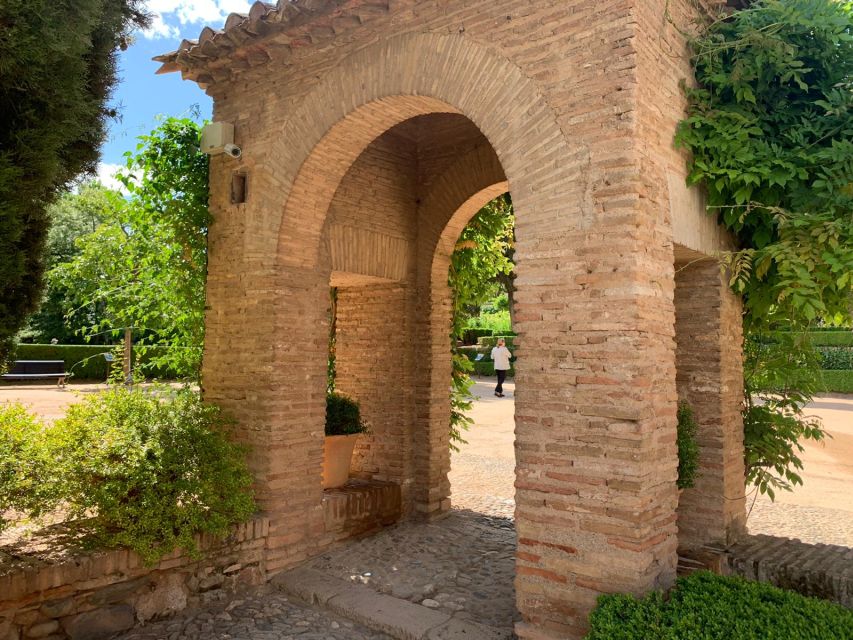
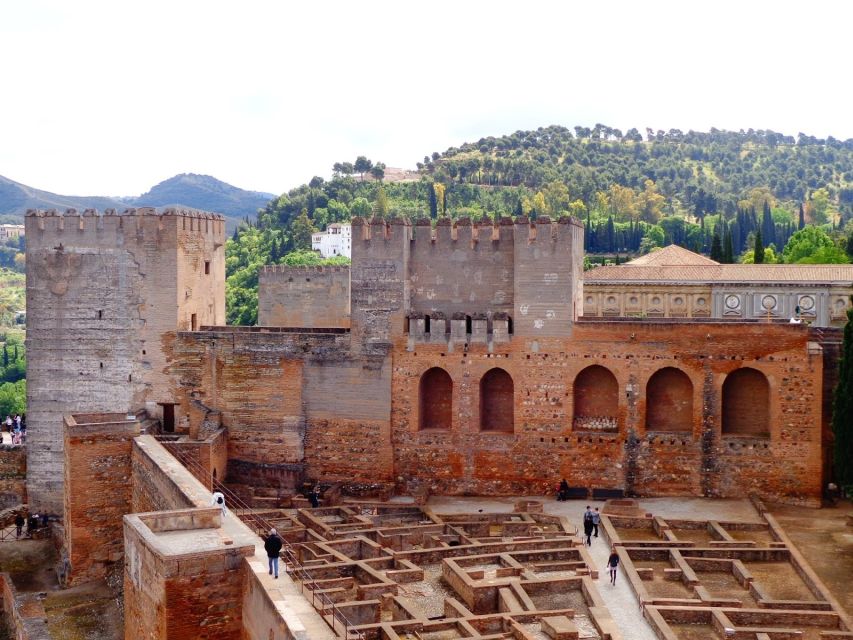
The Alcazaba gives you a different Alhambra. Instead of royal rooms and garden terraces, you enter the oldest military side of the complex, with walls, towers, and the remains of the medina.
The visit brings the site’s working population into view. The medina once held around 3,000 people, and the remains help you picture a functioning settlement rather than a palace floating alone above Granada. The Alcazaba also invites you to think about the elite soldiers who guarded the hill and lived within its defensive system.
Climbing the towers is part of the appeal, but it also explains why the tour is unsuitable for people with mobility impairments or wheelchair users. The route involves walking over an extensive historic site, with uneven ground, slopes, and stairs indicated by the fortifications and tower visits.
The reward is the view. From the military heights, the Alhambra makes more sense as a defended hilltop complex. You can look back across the royal area and see how the fortress, palace, gardens, and city related to one another.
This is a good place to ask questions. Guides including Yosin have been praised for mixing factual detail with stories, and that approach works well in the Alcazaba. Military history can feel dry when presented as dates and battles. It becomes more memorable when connected to the people who watched the approaches, climbed the walls, and shared the hill with the royal court.
Carlos V Palace: a later layer of Granada
The Carlos V Palace shows what happened after Christian forces took Granada. Its massive Renaissance design feels very different from the Nasrid Palaces, and that contrast is one of the most valuable parts of the route.
You see the Alhambra not as a frozen Muslim monument but as a place reused and reshaped over time. The palace helps explain the political change that followed the end of the Nasrid kingdom and the arrival of the Christian monarchy.
The building’s scale and geometry make it a useful counterpoint to the intimate courtyards nearby. I like having this later structure included because it prevents the tour from presenting the Alhambra as a single-period site. You get a clearer sense of layers, changes, and competing ideas of power.
Do not expect every section to receive equal time. The three-hour schedule has to account for walking, entry points, group management, and crowds. Your guide may spend more time in one palace or garden depending on conditions.
Guides, group size, and the listening equipment
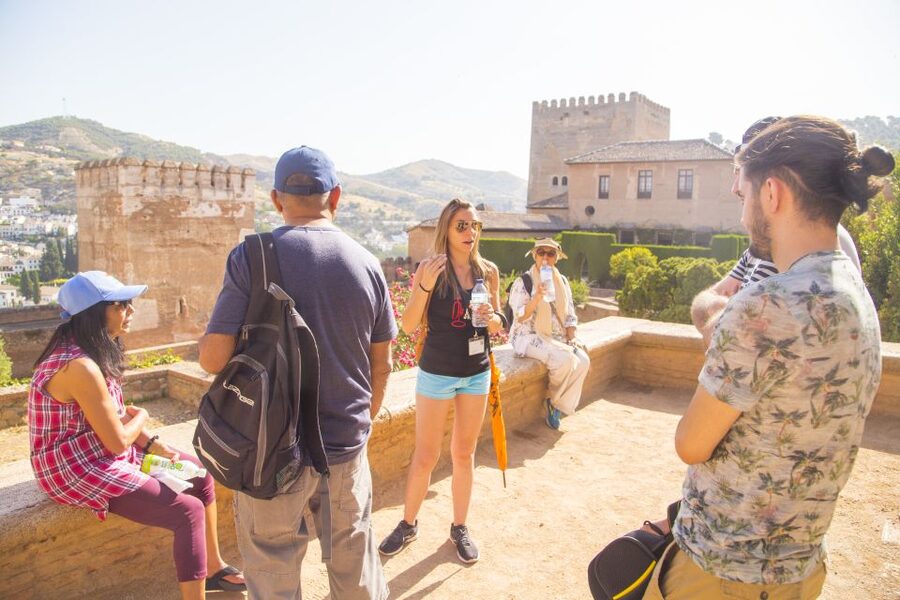
The guide is the heart of this experience. The best examples from this tour include Luis, Amelia, Estrella, Cynthia, Rocio, Yosin, and Álvaro. Their praised strengths vary, but the pattern is clear: history is easier to absorb when the guide uses stories, humor, and practical explanations rather than reciting dates.
Small groups are especially helpful. Groups of six or seven have been reported, and that size makes it easier to hear, ask questions, and move through tight rooms. A group can be larger, so you should not assume a private-style visit every time.
The included headphones are useful, but they are not magic. In crowded areas, nearby voices and hard stone surfaces can make sound less clear. Stay close enough to the guide, check that your device is working at the start, and do not let the group spread too far across a courtyard.
Language choices are English, Spanish, and French. Some guides have received praise for very clear English, while others have been harder to understand because of pronunciation or intonation. That variation is worth considering if detailed spoken explanation is central to your decision.
The three-hour pace and physical demands
Three hours sounds generous until you look at the site’s size. You walk between gardens, palaces, defensive areas, and later buildings, with plenty of standing in place while the guide talks.
You may feel tired at the end. That is normal for this format, and one practical account specifically recommends good shoes, sunscreen, and water. Weather can also shape the experience. A rainy day does not erase the Alhambra’s appeal, but wet conditions can make outdoor sections less comfortable. On hot days, shade and water become more important.
There should be enough time for bathroom breaks if the group needs them, but this remains a fixed-time tour. Tell the guide early if you need a pause rather than waiting until the group has moved on.
The route is not suitable for wheelchair users or people with mobility impairments. If stairs, slopes, or prolonged walking are a concern, you should seek a different arrangement before booking.
Is $60 good value for Granada?
At $60 per person, this is not the cheapest way to see the Alhambra. The price includes the complex ticket, a live guide, and headphones, but not transportation, meals, or drinks.
The value depends on what you want from the visit. If you only need to enter and prefer reading on your own, the guide fee may feel high. If you have just a short stay in Granada, want the major sections covered, or are uneasy about navigating a famous site with strict entry requirements, the price is easier to justify.
The ticket is the key practical benefit. You avoid the standard ticket line and receive the entrance ticket from the guide. Since Alhambra access is time-sensitive and the complex is heavily visited, reducing uncertainty has real value.
I would also count the guide’s interpretation as part of the price. The Alhambra’s carved surfaces and gardens are beautiful without help, but the story of Al-Andalus, the Nasrid court, the military settlement, and the later Christian additions gives the visit more weight.
The refund policy is limited: cancellation up to 24 hours ahead receives a 60 percent refund. That is worth noting before you commit, particularly if your Granada schedule is unsettled.
Who should book this Alhambra tour?
I would recommend it to a first-time visitor who wants the main Alhambra experience in one organized block. It suits couples, families with older children, and anyone who would rather ask questions than study a guidebook while walking.
It is also a good match for a short Granada stay. The tour covers the site’s major identities: retreat, palace, fortress, settlement, and royal monument. You leave with a framework for understanding the Alhambra, even if you do not have time to inspect every corner.
You should think twice if you dislike group schedules, want long pauses for photography, or have difficulty walking on historic terrain. The tour cannot control crowds, weather, or the time available in each room.
My verdict: a strong first visit with a busy route
I like this tour because it tackles the Alhambra as a whole. The Generalife, Nasrid Palaces, Alcazaba, and Carlos V Palace each tell a different part of Granada’s story, and the guide ties them together in a way that independent wandering may not.
Book it if you value context, want your ticket arranged, and can handle three hours of walking. Arrive early at the orange umbrella, bring your passport or ID card, wear comfortable shoes, and carry water.
Skip it if you need a slow, private visit or cannot manage stairs and uneven ground. For most first-time visitors with limited time, though, $60 is a fair trade for access, structure, and a guide who can turn a beautiful but complex monument into a place you understand.
FAQ
How long is the Alhambra guided tour?
The tour lasts three hours.
What parts of the Alhambra are included?
The visit includes the Nasrid Palaces, Generalife gardens and vacation palace, Alcazaba, Carlos V Palace, and the wider Alhambra complex.
Is the entrance ticket included?
Yes. A skip-the-line ticket for the Alhambra complex is included, and the guide gives you the ticket before the tour begins.
Where do I meet the guide?
Meet at the Access Pavilion of the Alhambra. Look for the orange umbrella and the poster marked Guides.
How do I identify the tour guide?
The guide will be standing by the poster that says Guides and will be associated with the orange umbrella meeting point.
Do I need to bring my passport?
Yes. The Alhambra requires your passport or ID card for entry.
What personal information is needed when booking?
You must provide each participant’s name, surname, passport or ID number, nationality, and age.
Are headphones provided?
Yes. Headphones are included so you can hear the live guide during the visit.
Which languages are available?
The tour is offered with a live guide in English, Spanish, or French.
Is the tour suitable for wheelchair users?
No. The activity is not suitable for wheelchair users or people with mobility impairments.
Just added around Granada
- Granada: Alhambra tickets and other attractions★ 5.0 · 3 reviews
- Antequera and Torcal from Granada in a small group up to 7 people★ 4.5 · 3 reviews
- Granada Private Tapas & Walking Tour★ 4.5 · 3 reviews
- Albaicin and Sacromonte Private Tour★ 4.5 · 3 reviews
- Complete Private Tour of Alhambra with Nasrid Palaces★ 4.5 · 3 reviews
- Sierra Nevada Small Group BIKE Tour★ 5.0 · 3 reviews
- Private Tour of the Alhambra★ 5.0 · 3 reviews
- Granada: Guided Albaicín Visit with Pets★ 5.0 · 3 reviews
Alhambra Tours, compared.


Alhambra & Gardens Tour w/Nasrid Palaces Option
Read our review →
Fast-Track Alhambra & Nasrid Palaces Guided Tour
Read our review →
Skip The Line Alhambra and Generalife Guided Tour
Read our review →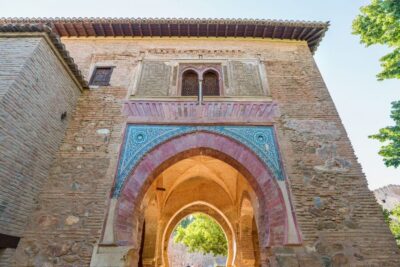
Alhambra Ticket and Guided Tour with Nasrid Palaces
Read our review →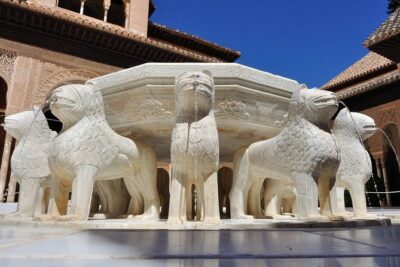
Alhambra & Generalife Skip the line Small Group including Nasrid Palaces
Read our review →Browse the lists this tour appears in